



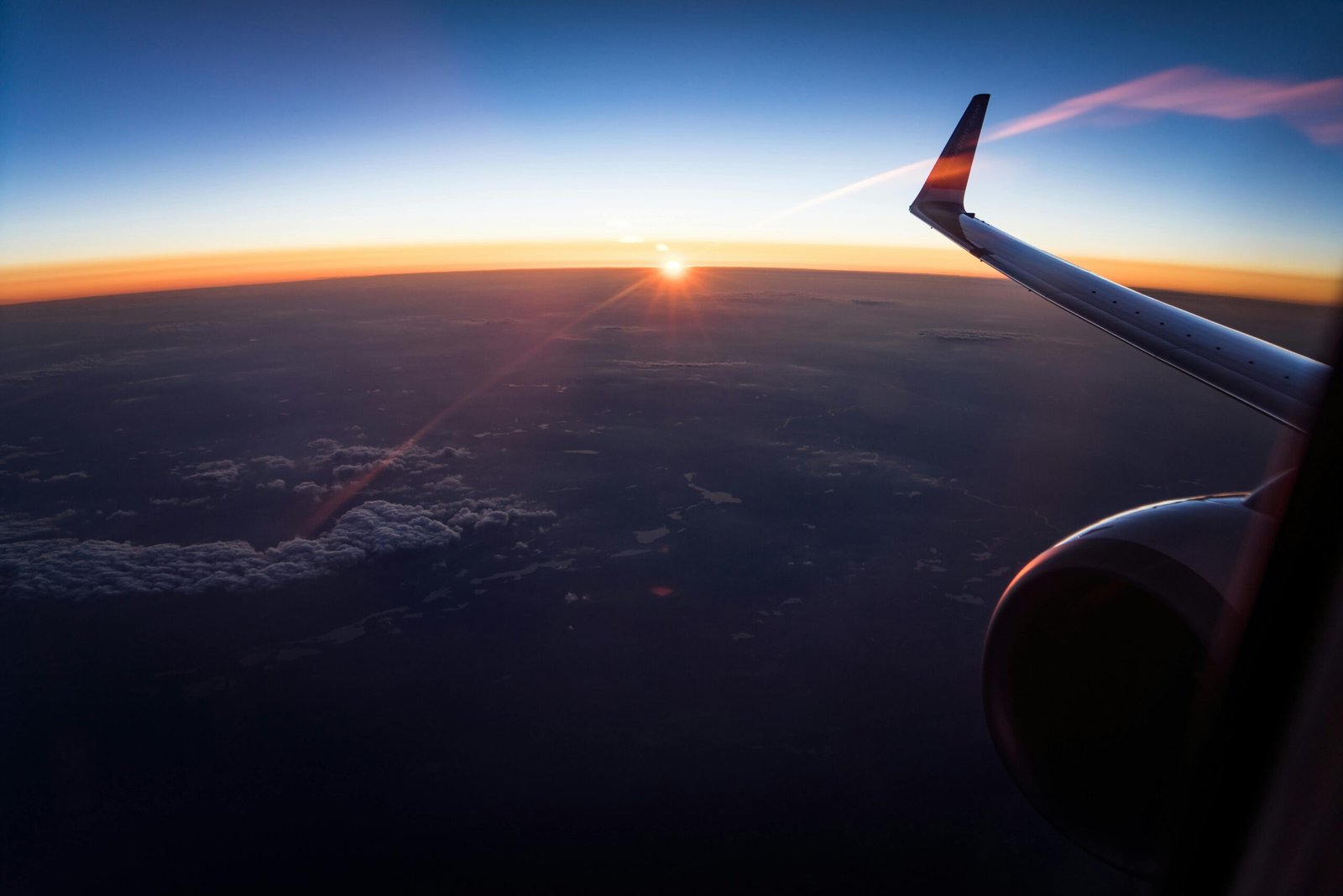
Twelve hours in a metal tube can either be a lost day or a surprisingly decent one. The difference rarely comes down to luck. It comes down to a handful of choices you make before you book, before you board and in the first hour of the flight.
These long flight hacks cover all three stages, from picking the right seat and cabin to beating jet lag, so you land feeling closer to human.
Long Flight Hacks at a Glance
| Stage | What to do | Why it helps |
|---|---|---|
| Booking | Choose your cabin, seat and flight time carefully | Sets up how much rest you can get |
| Packing | Bring a compact comfort kit and offline entertainment | Removes the most common annoyances |
| Airport | Use a lounge, eat light, hydrate | You board calmer and better prepared |
| On board | Move, drink water, sleep on destination time | Less stiffness and faster jet lag recovery |
| Arrival | Get daylight and stay up until local bedtime | Resets your body clock |
Before You Book: Set Yourself Up for Comfort
1. Consider premium economy or business class with points
The single biggest upgrade to a long flight is a better seat. On overnight flights, a lie-flat business class seat turns a miserable night into actual sleep, and premium economy adds meaningful legroom and recline. You do not need to pay cash for either. Points and miles can book premium cabins, and our guide to business class upgrades without paying full price covers every method.
2. Pick your flight time strategically
For eastbound flights to Europe, overnight departures let you sleep and arrive in the morning. For very long flights to Asia, a daytime departure can be easier to manage if you struggle to sleep on planes. Think about what you will do on arrival, not just when you leave.
3. Choose your seat with a plan
A window seat gives you a wall to lean on and control of the shade, which matters for sleeping. An aisle seat lets you get up without climbing over anyone, which matters for stretching and staying hydrated. Avoid seats near galleys and lavatories, where light and foot traffic continue all night. Check the seat map when you book and again a few days before departure, when better seats sometimes open up.
4. Join the airline’s loyalty program
Membership is free, earns miles on a flight that can be worth thousands of them, and on many US airlines unlocks free inflight Wi-Fi. Our guide on why to join an airline loyalty program explains the perks.
What to Pack for a Long Flight
A small comfort kit in your personal item solves most long-haul problems. Keep it light and reachable:
- Noise-canceling headphones or earplugs to block engine noise and crying babies.
- An eye mask that fits well, since cabin lights and screens make sleep harder.
- A supportive neck pillow if you sleep sitting up.
- A refillable water bottle, filled after security.
- Lip balm and moisturizer for dry cabin air.
- A warm layer and socks, because cabin temperatures swing.
- Charging cable and a power bank, since not every seat has working power.
- Toothbrush and toothpaste to freshen up before landing.
Download movies, shows, podcasts and books before you leave. Wi-Fi over oceans can be slow, patchy or unavailable, and the seatback screen may not have what you want.
At the Airport: Start the Flight in Good Shape
A calm hour before boarding makes a real difference. If you have lounge access through a credit card or status, use it to eat a light meal, shower if available and charge your devices. Lounge networks keep growing, including the Amex Centurion Lounge expansion, so check what is available at your airport.
Eat something light before boarding rather than a heavy meal, and start drinking water early. If you plan to sleep on the plane, you can skip the first meal service and use the time to rest.
On Board: Hacks That Actually Work
Stay hydrated and go easy on alcohol
Cabin air is very dry. Drink water steadily throughout the flight, and limit alcohol and caffeine, which add to dehydration and disrupt sleep. A free drink feels like a perk, but it rarely helps you land rested.
Move every couple of hours
Sitting still for hours causes stiffness and slows circulation. Walk the aisle when the seatbelt sign is off, and do simple seated stretches: ankle circles, calf raises, shoulder rolls and gentle neck turns. If you have a medical condition that affects circulation, ask your doctor before a long flight about whether compression socks or other precautions make sense for you.
Switch to destination time as soon as you board
Set your watch and phone to your destination’s time zone the moment you sit down. Sleep when it is night there and stay awake when it is day. This one habit does more to reduce jet lag than any gadget.
Build a sleep routine
Brush your teeth, change into comfortable layers, put on your eye mask and headphones, and recline. Repeating the same routine you use at home tells your body it is time to sleep, even in a cramped seat.
Common Long Flight Mistakes to Avoid
- Wearing tight clothes or new shoes. Feet often swell on long flights. Wear loose layers and shoes you can slip off and back on easily.
- Checking your only charger. Keep every cable and adapter you need for the flight in your carry-on, along with essential medication and a change of clothes in case your bag is delayed.
- Taking sleep aids you have never tried. If you want to use one, test it at home first, and talk to your doctor about anything you are unsure of.
- Watching screens until landing. Bright screens late in your destination’s evening make it harder to sleep on arrival. Switch to a book or a podcast in the last hours.
- Ignoring connection times. On itineraries with a long-haul leg, a tight connection is risky. Leave enough time for immigration, security and terminal changes.
Most of these take seconds to avoid, and together they remove the small frustrations that make a long flight feel even longer.
After You Land: Beat Jet Lag Faster
- Get daylight early. Natural light is the strongest signal for resetting your body clock. Take a walk outside on your first morning.
- Stay up until local bedtime. A short nap of 20 to 30 minutes is fine, but long naps make the first night harder.
- Eat on local time. Meals at local times help your body adjust.
- Keep the first day light. Do not schedule anything demanding for the afternoon you arrive.
- Plan for delays. Long-haul flights miss connections more often than short ones. Our guide to understanding flight delays explains your options when it happens.
Takeaway
The best travel hacks for long flights start well before boarding. Choose your cabin, seat and flight time with your arrival in mind, pack a small comfort kit and offline entertainment, hydrate and move on board, and switch to destination time the moment you sit down. If you can use points for premium economy or business class, do it on your longest flights, where a better seat pays off the most. Get those pieces right and you will land ready to enjoy the trip, not recover from it. Save this checklist and run through it before your next long-haul departure.
