



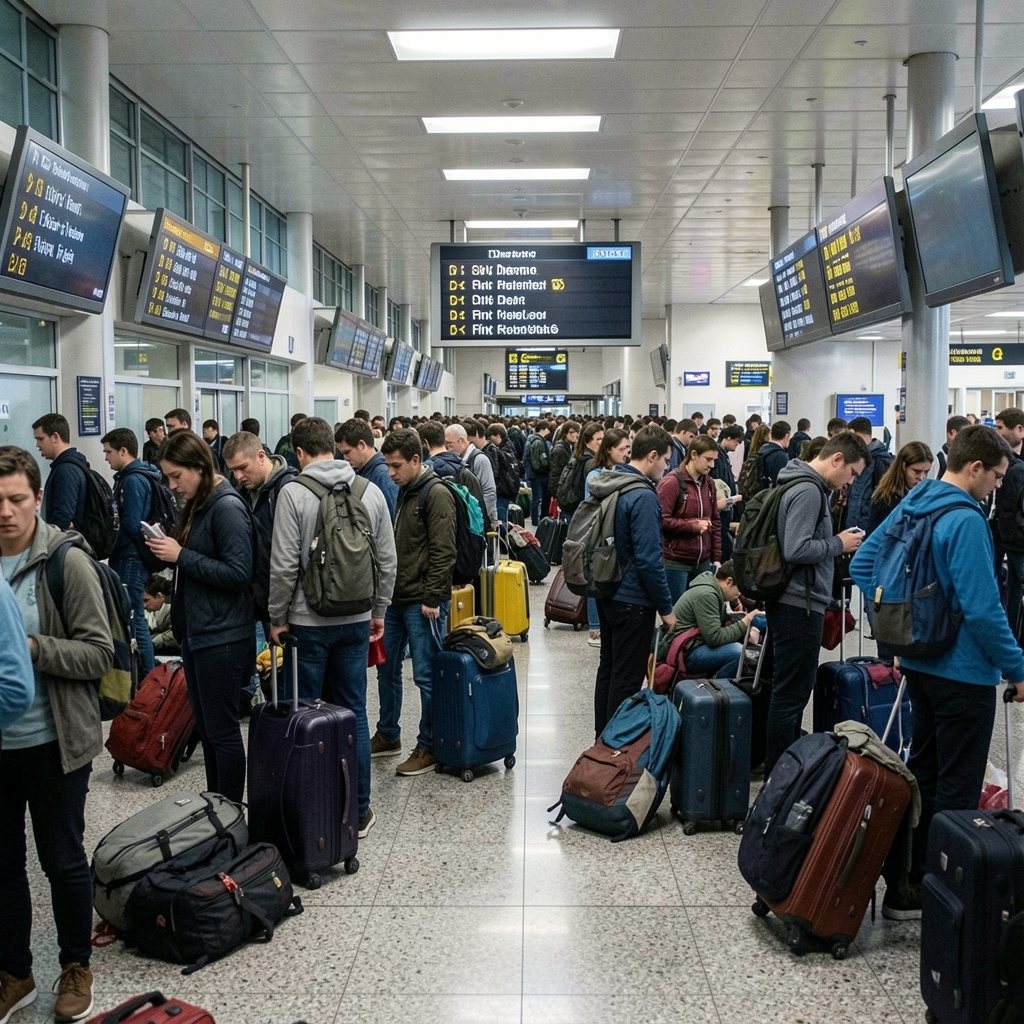
Traveling during a government shutdown can quickly turn into a stressful experience if you are not prepared. With Transportation Security Administration (TSA) agents potentially working without pay, staffing shortages and longer security lines become a real concern for travelers across the United States.
If you have an upcoming trip, this guide will walk you through exactly how to prepare, minimize delays, and travel smarter during a government shutdown.
Why a Government Shutdown Impacts TSA and Airports
During a government shutdown, TSA agents are considered essential workers, meaning they continue to work even if they are not getting paid on time. This situation can lead to:
- Increased absenteeism among TSA agents
- Reduced staffing at airport security checkpoints
- Longer wait times at TSA screening
- Higher risk of missed flights
Major airports like LAX, JFK, and ATL are especially impacted due to high passenger volume.
Step 1: Arrive at the Airport Earlier Than Usual
One of the biggest mistakes travelers make is underestimating how long TSA lines can get during disruptions.
Recommended arrival times:
- Domestic flights: 2–3 hours before departure
- International flights: 3–4 hours before departure
If you are flying during peak travel times (early morning, weekends, holidays), consider adding an extra 30–60 minutes.
Pro Tip: Early morning flights often experience the longest TSA lines due to high departure volume.
Step 2: Enroll in TSA PreCheck or CLEAR
Expedited security programs are one of the most effective ways to avoid long TSA lines.
TSA PreCheck
- Dedicated screening lanes
- No need to remove shoes, laptops, or liquids
- Significantly shorter wait times
CLEAR
- Skips the ID verification line using biometric scanning
- Works alongside TSA PreCheck for maximum efficiency
Travel Hack: Many premium credit cards reimburse TSA PreCheck or CLEAR application fees, making it essentially free.
Step 3: Pack Smart to Avoid Secondary Screening
Improper packing can slow you down significantly, especially when TSA is already understaffed.
Follow these TSA guidelines:
- Liquids must follow the 3-1-1 rule
- Keep laptops and electronics easily accessible
- Avoid overpacking carry-on bags
- Remove prohibited items before arriving
Pro Tip: Organize your bag in layers so you can quickly remove items during screening.
Step 4: Monitor TSA Wait Times Before Leaving
Technology can help you avoid surprises at the airport.
Use these tools:
- MyTSA app for live wait times
- Google search (“TSA wait times LAX”)
- Airport websites and apps
Checking wait times before you leave allows you to adjust your schedule accordingly.
Step 5: Choose Flights Strategically
Flight timing plays a major role in how smooth your airport experience will be.
Best strategies:
- Book early morning or late evening flights
- Avoid tight connections
- Choose longer layovers for connecting flights
Why it matters: Delays at TSA can create a domino effect, causing missed connections and rebooking headaches.
Step 6: Have a Backup Plan Ready
Government shutdowns create uncertainty, so flexibility is essential.
Prepare for disruptions by:
- Downloading your airline’s mobile app
- Setting up flight alerts
- Knowing alternative flights in advance
- Having travel insurance or trip protection
Pro Tip: Same-day flight changes are easier if you act quickly through the airline app.
Step 7: Leverage Travel Credit Card Benefits
The right travel credit card can make a huge difference during airport disruptions.
Key benefits to look for:
- TSA PreCheck or CLEAR credits
- Airport lounge access (escape crowded terminals)
- Trip delay and cancellation insurance
- Priority boarding
These benefits not only save time but also reduce stress during uncertain travel conditions.
Step 8: Consider Alternative Airports
If you are in a major metro area, nearby airports may offer shorter TSA lines.
Example:
- Instead of LAX, consider flying from Ontario (ONT) or Burbank (BUR)
Smaller airports often have:
- Shorter security lines
- Less congestion
- Faster overall experience
Common Mistakes to Avoid
- Arriving too late to the airport
- Ignoring real-time TSA wait updates
- Overpacking carry-ons
- Booking tight layovers
- Not enrolling in expedited screening programs
Avoiding these mistakes can save you hours of stress.
Final Thoughts: Travel Smart During a Government Shutdown
A government shutdown does not have to ruin your travel plans. With the right preparation, you can avoid long TSA lines, reduce stress, and stay in control of your journey.
The key is simple: plan ahead, give yourself extra time, and use every available travel tool to your advantage.
Travel disruptions are temporary—but smart travel strategies will benefit you for a lifetime.
